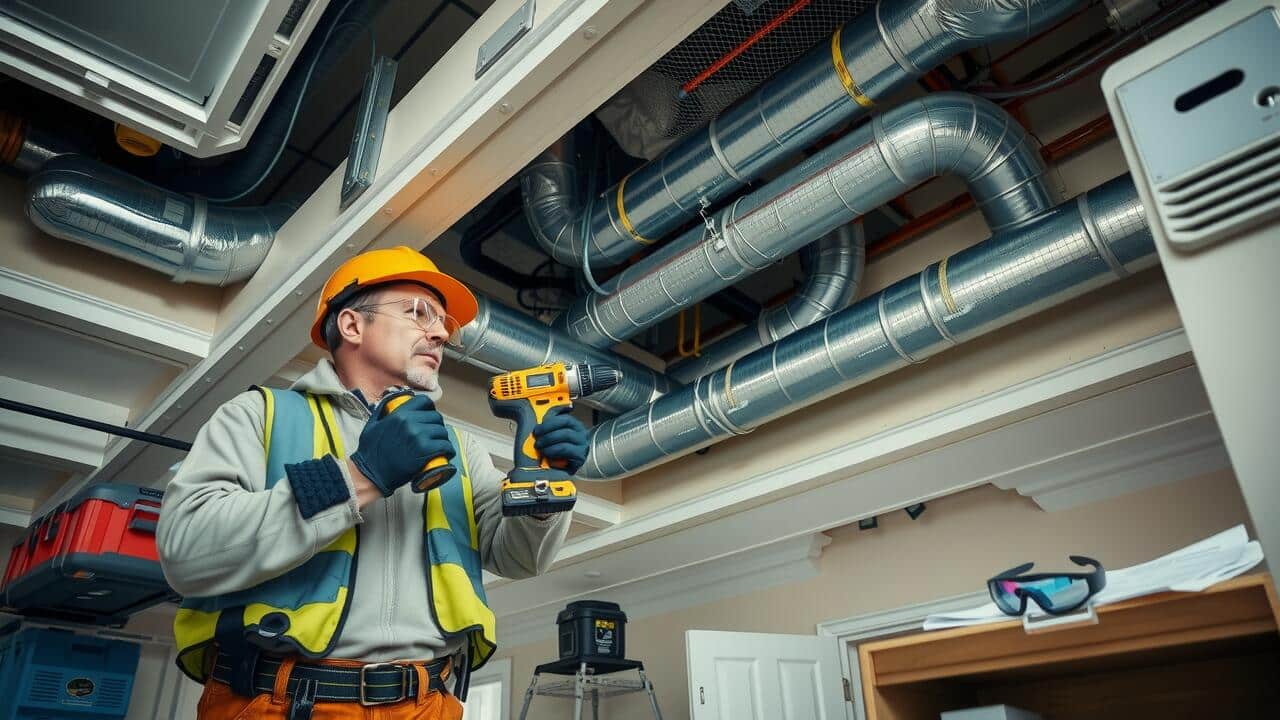
Tools and Equipment Used
The tools and equipment used in air duct installation are essential for ensuring a successful and efficient process. Basic hand tools such as screwdrivers, pliers, and wrenches are commonly employed to assemble and secure duct sections. Power tools like saws and drills make it easier to cut and shape materials according to the specific dimensions needed for the installation. Additionally, specialized tools such as duct stretchers and crimping tools help create secure connections and maintain the integrity of the system.
In addition to hand and power tools, several pieces of equipment play a crucial role in air duct installation. For instance, ductwork needs to be insulated properly to prevent energy loss. Insulation materials and adhesives are necessary to achieve this. Furthermore, measuring tools like tape measures and laser levels are vital for accurate placement and alignment of ducts within a space. Overall, having the right tools and equipment not only facilitates a smoother installation but also contributes to the efficiency of the overall HVAC system.
Essential Tools for Duct Installation
Air duct installation requires a specific set of tools to ensure that the job is done correctly and efficiently. A duct cutting tool is essential for creating precise cuts in metal or flexible ducting. Additionally, a metal snip is invaluable for trimming sheets of metal used in rigid duct systems. The right kind of tape, typically a foil or duct tape, is necessary for sealing seams and ensuring airtight connections.
Other tools necessary for air duct installation include a level for ensuring proper alignment of ducts and a torque wrench for tightening fasteners. A wire brush is helpful for cleaning the edges of cut duct pieces, preventing rust and ensuring that materials bond properly when sealed. Finally, gloves and safety glasses provide protection during installation, making the process safer and more comfortable.
Common Challenges During Installation
Air Duct Installation can present various challenges that require careful planning and execution. One of the most common issues occurs when working with existing structures. Navigating around walls, support beams, and electrical wiring can complicate the installation process and may require creative solutions to optimize duct placement without compromising airflow or system efficiency.
Another significant challenge arises from ensuring proper sealing and insulation of the ducts. Any gaps or leaks can lead to decreased system efficiency, increased energy costs, and potential air quality issues. Proper sealing techniques and materials need to be employed during Air Duct Installation to prevent these problems. Additionally, installers must consider how to maintain optimal airflow while accommodating the layout of the space.
Potential Issues with Air Duct Placement
Proper air duct placement is crucial for the efficiency and effectiveness of heating and cooling systems. If ducts are installed in uninsulated spaces, such as attics or crawl spaces, energy loss can occur, leading to higher utility bills. Poorly positioned ducts may also create pressure imbalances in the home, resulting in uneven temperature distribution. This can cause discomfort in some areas while others may experience excessive heating or cooling.
Another issue that can arise during air duct installation is physical obstruction. Ducts may interfere with structural components such as beams or plumbing, making it difficult to create a straight and unobstructed pathway for airflow. Additionally, if ducts are too close to hot water pipes or electrical wiring, it could create safety hazards or affect performance. Addressing these challenges early in the air duct installation process can prevent costly modifications in the future.
Cost Factors for Air Duct Installation
The cost factors associated with air duct installation can vary significantly depending on several aspects of the project. Labor costs often constitute a major portion of the total expense. This can include the rates charged by skilled technicians, which may vary based on location and the complexity of the installation. Additionally, the size of the space and the layout can influence labor intensity and time required for proper installation.
Materials required for air duct installation also play a crucial role in determining overall costs. Different types of duct materials, such as flexible ductwork or rigid metal ducts, come with varying price points and additional factors like insulation need to be considered. Homeowners must also account for potential modifications to existing systems and may wish to budget for any necessary permits or inspections that local regulations require.
Budgeting for Your Air Duct Project
When planning for air duct installation, it’s essential to assess not just the material costs but also labor expenses and potential additional charges. Typically, costs can vary widely based on the size of the home, the complexity of the installation, and local labor rates. Being thorough in estimating these factors will help prevent budget overruns and ensure the entire project remains financially manageable.
Additionally, it’s wise to factor in any necessary permits or inspections that may be required by local regulations. If the project involves significant renovations, these costs may increase. Homeowners should also consider long-term savings in energy efficiency, as a well-designed and properly installed duct system can reduce heating and cooling bills over time, ultimately making the investment worthwhile.
FAQS
Who typically installs air ducts?
Air ducts are usually installed by HVAC (Heating, Ventilation, and Air Conditioning) professionals who are trained and experienced in ductwork design and installation.
What tools do professionals use for air duct installation?
Professionals typically use essential tools such as sheet metal shears, duct tape, a level, a measuring tape, and sometimes power tools like drills and saws to ensure accurate and efficient installation.
What challenges might arise during air duct installation?
Common challenges include ensuring proper duct placement, dealing with tight spaces, and addressing potential issues with insulation and air leaks that may affect system efficiency.
How can I budget for my air duct installation project?
Budgeting for an air duct project involves considering factors such as the size of your home, the complexity of the installation, labor costs, and the materials required. It’s a good idea to get multiple quotes from HVAC professionals.
Can I install air ducts myself?
While some homeowners may attempt DIY duct installation, it is generally recommended to hire a professional due to the complexities involved and the importance of proper sealing and insulation for system efficiency.