Frequency of Chimney Maintenance
Chimney cleaning should ideally be performed at least once a year to maintain safety and efficiency. Regular maintenance not only prevents hazardous build-up of creosote but also ensures that your fireplace or heating system operates correctly. Scheduling the cleaning before the start of the heating season can be beneficial, as it allows you to enjoy your fireplace without worries about smoke or dangerous emissions.
In addition to annual cleaning, homeowners might want to consider inspecting their chimneys after significant storms or events that could lead to debris accumulation. If you notice poor draft or excessive smoke, these can be signs that chimney cleaning is necessary sooner rather than later. A proactive approach to chimney health can help prevent costly repairs and improve the overall safety of your home.
How Often Should You Schedule Cleaning?
Chimney cleaning should occur at least once a year for most homes that use their fireplaces regularly. This annual maintenance helps to remove soot buildup and creosote accumulation, both of which can pose serious fire hazards. Homeowners who frequently use their chimneys for heating or enjoyment might consider more frequent cleanings, especially after long periods of heavy usage.
Monitoring the state of your chimney is crucial. Signs such as smoke backing up into the home, a foul odor coming from the chimney, or visible soot deposits may indicate that it’s time for an additional cleaning. Regular inspections are also advisable, as they can help identify issues that need addressing before they become major problems.
Professional vs. DIY Cleaning
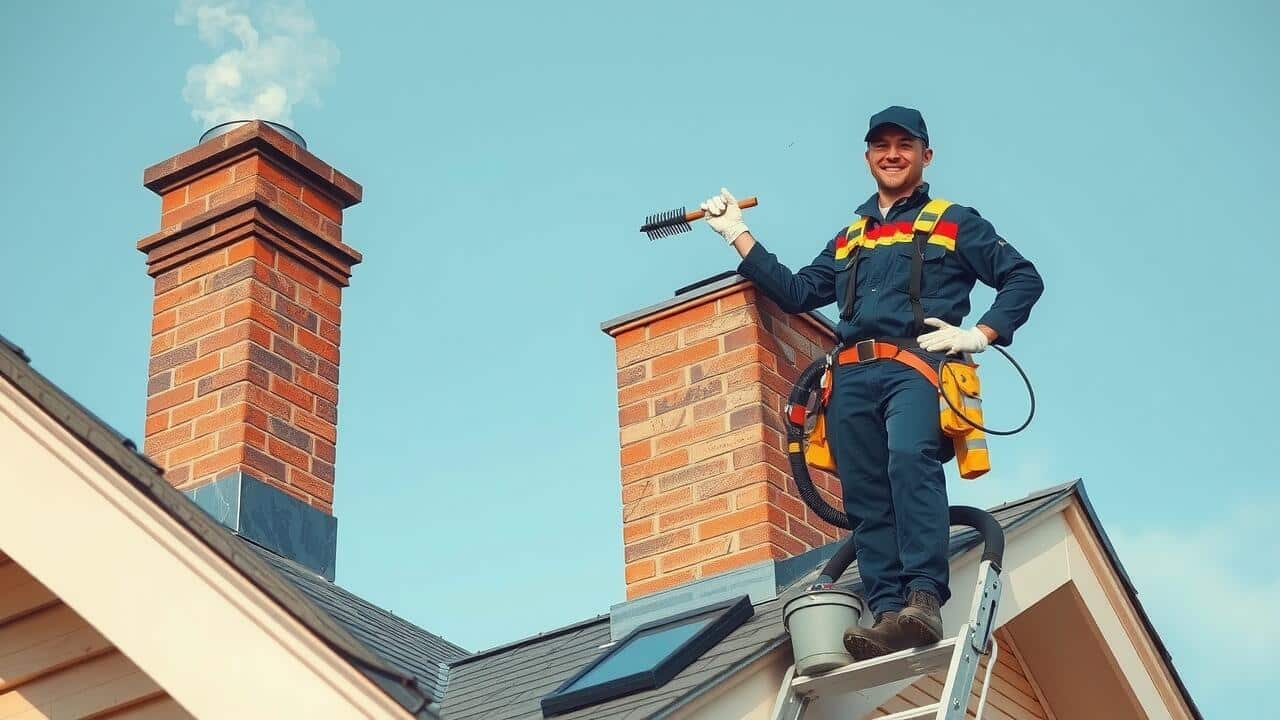
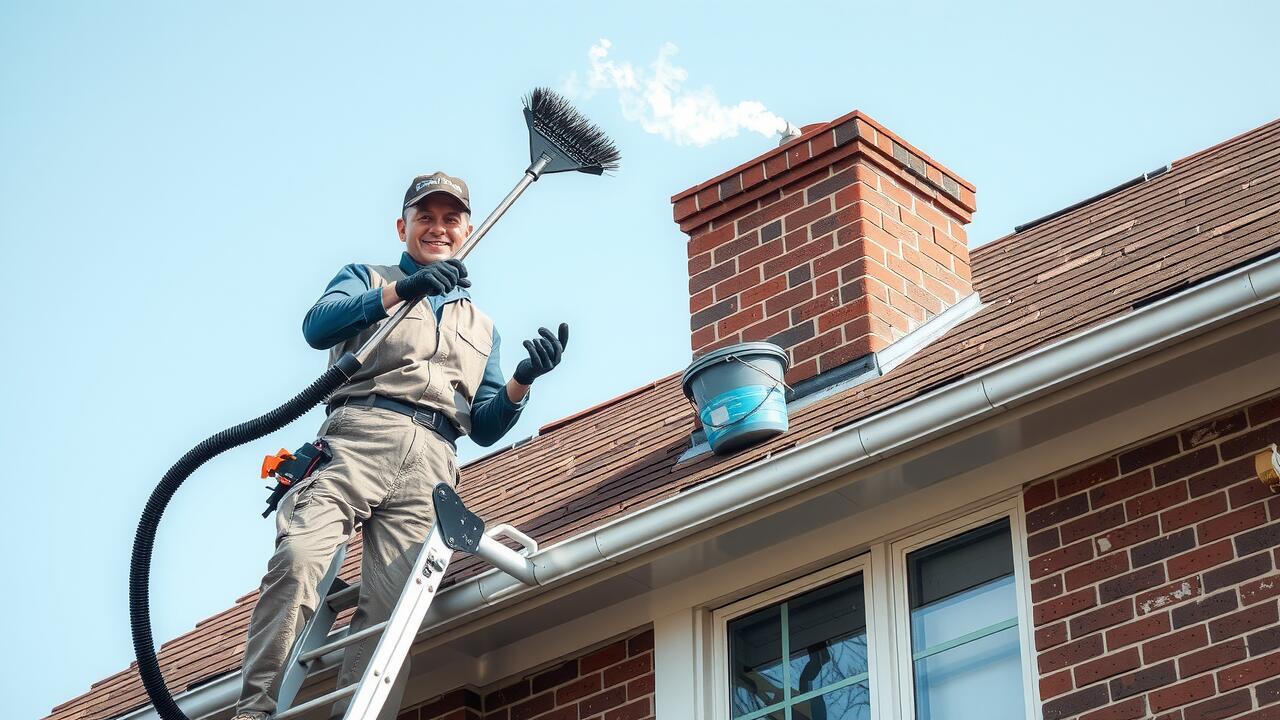
When considering chimney cleaning, many homeowners face the choice between hiring a professional or undertaking the task themselves. Professional services often ensure a thorough and safe cleaning process. Relying on trained technicians can provide peace of mind, especially for those unfamiliar with the intricacies of chimney systems. Professionals are equipped with specialized tools and knowledge to tackle issues like creosote buildup and structural integrity.
On the other hand, DIY chimney cleaning can be appealing for those looking to save money or gain hands-on experience. This approach requires access to the right tools and a solid understanding of safety protocols. While cleaning your chimney yourself can be rewarding, there is a risk of overlooking critical issues that a professional might catch. Ultimately, the decision should factor in both comfort level with the task and the specific condition of the chimney.
Weighing the Pros and Cons
Chimney cleaning offers several advantages that can enhance both safety and efficiency in home heating. Regular maintenance reduces the risk of chimney fires caused by creosote buildup, which can ignite and create dangerous situations. Additionally, a clean chimney improves overall airflow, optimizing the burning process in fireplaces and stoves. Homeowners may find that heating systems operate more efficiently, potentially leading to lower heating bills during colder months.
On the other hand, some may consider the costs associated with professional chimney cleaning. While homeowners can opt for DIY methods, these can be labor-intensive and may not achieve the same level of cleanliness as a professional job. The absence of proper tools or knowledge could miss critical areas, leading to long-term issues. Weighing these factors is essential to determine the best approach for chimney cleaning, balancing costs with safety and efficiency.
Health Risks of a Dirty Chimney
A dirty chimney poses significant health risks that extend beyond just inefficient ventilation. Accumulated soot and creosote can ignite, leading to dangerous chimney fires that threaten the safety of your home and its occupants. Additionally, a poorly maintained chimney can allow harmful gases, such as carbon monoxide, to seep into living spaces, creating a serious health hazard. Regular chimney cleaning reduces these risks by ensuring that the flue is clear and safe for use.
Inadequate ventilation from a blocked or dirty chimney can also exacerbate respiratory issues, particularly for individuals with pre-existing conditions like asthma or allergies. The release of particulates and toxins into the air compromises indoor air quality, making regular chimney cleaning essential for maintaining a healthy home environment. Proper upkeep minimizes exposure to hazardous substances and enhances overall safety for everyone in the household.
Preventing Smoke and Soot Recirculation
Preventing smoke and soot recirculation is essential for maintaining a safe and efficient fireplace. A dirty chimney can lead to incomplete combustion of the fuel, causing smoke to enter the living space instead of being properly vented outside. Regular chimney cleaning can help eliminate the buildup of creosote and other debris that contributes to this issue. By ensuring that the chimney is clear, homeowners can significantly reduce the risk of harmful pollutants affecting indoor air quality.
Another critical aspect of preventing recirculation is ensuring proper airflow throughout the chimney system. A well-maintained chimney promotes optimal draft, allowing smoke to exit the home rather than lingering inside. Routine inspections paired with timely chimney cleaning make it easier to identify potential blockages or structural issues that could hinder performance. Investing in professional services can provide peace of mind and ensure that the chimney remains safe and functional year-round.
FAQS
What time of year is best to clean a chimney?
The best time to clean a chimney is typically in the late summer or early fall, before the heating season begins. This allows for proper maintenance ahead of the cold months when the chimney will be used most frequently.
How often should I have my chimney cleaned?
It is recommended to have your chimney cleaned at least once a year, especially if you use your fireplace or wood stove regularly. Some homeowners may need to clean more frequently depending on usage.
Can I clean my chimney myself?
While DIY chimney cleaning is possible, it’s often best to hire a professional. They have the proper tools and expertise to safely and effectively clean the chimney and identify any potential issues.
What are the health risks of not cleaning my chimney?
A dirty chimney can lead to dangerous situations such as chimney fires, smoke backdraft, and carbon monoxide poisoning. Regular cleaning helps prevent these health risks and ensures safe operation.
What are some signs that my chimney needs cleaning?
Signs that your chimney may need cleaning include a strong odor of smoke, excessive soot buildup, difficulty lighting fires, or visible signs of creosote on the chimney walls. If you notice any of these, it’s time for a cleaning.