Structural Repairs
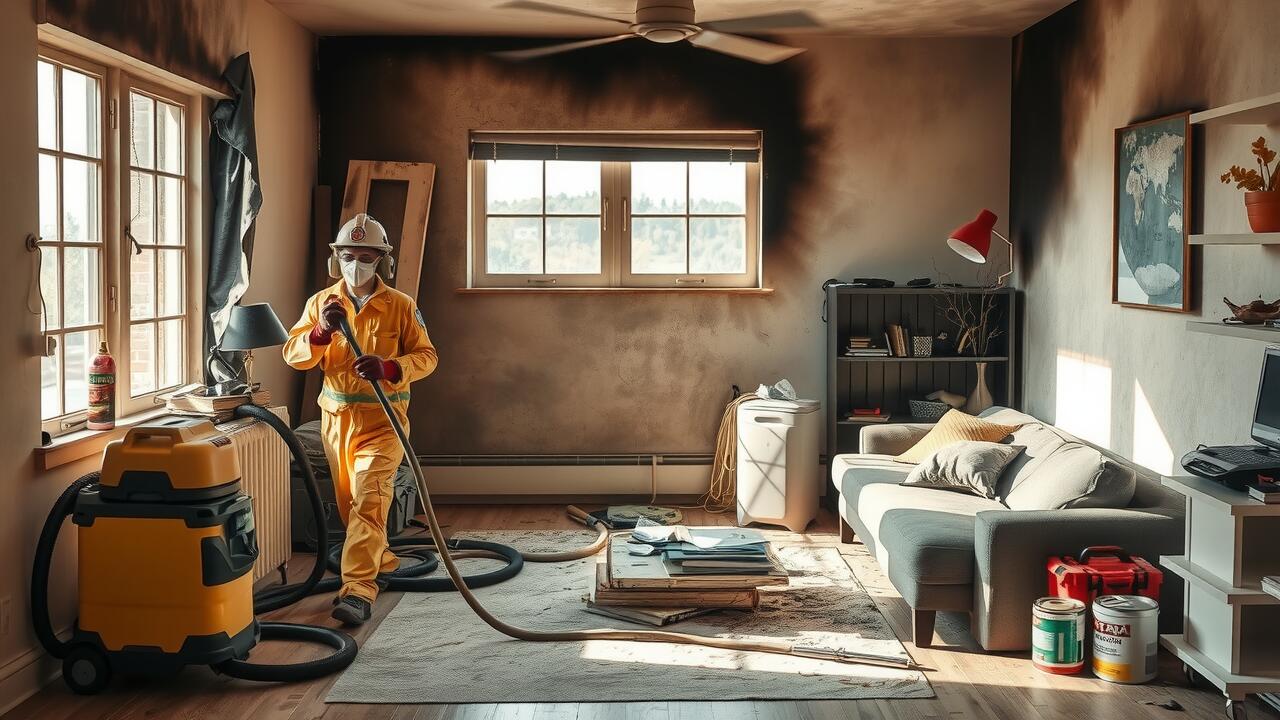
Structural repairs are a vital component of fire damage restoration service. This process often involves assessing the stability and integrity of the affected structure. Fire can compromise walls, ceilings, and floors, necessitating careful evaluation. Depending on the severity of the damage, some materials may need to be repaired or entirely replaced to ensure safety and compliance with building codes.
Restoration experts typically begin by removing charred and damaged materials. They then proceed to repair structural elements using appropriate techniques and materials. Reinforcing beams, replacing drywall, and patching up any holes are common tasks within this phase. Proper structural repairs not only enhance the visual appeal of the property but also restore its overall functionality and safety, making it crucial in the fire damage restoration service.
Rebuilding Damaged Areas
Rebuilding damaged areas after a fire is a critical component of the fire damage restoration service. Structural elements, such as walls, roofs, and flooring, often require significant repair or complete replacement. This process begins with a thorough assessment to evaluate what can be salvaged and what must be rebuilt. Professionals in fire damage restoration possess the skills to ensure that repairs not only restore the appearance of the property but also maintain safety and structural integrity.
The rebuilding process can vary based on the severity of the damage. In some cases, it may involve reinforcing existing structures or installing new materials that comply with local building codes. Fire damage restoration service teams collaborate with property owners to select appropriate materials that match the original design while also enhancing durability. This collaborative approach helps in efficiently navigating the complexities of rebuilding, ensuring that the final result meets both aesthetic and functional requirements.
Content Cleaning and Restoration
Fire damage restoration service plays a crucial role in rehabilitating personal belongings affected by smoke and soot. Many items, such as furniture, clothing, and important documents, can suffer extensive damage during a fire. Specialized cleaning techniques are necessary to ensure that these items are properly restored rather than discarded. Professionals assess each item individually, determining the best approach for cleaning and restoring its original condition.
Effective content cleaning goes beyond mere surface cleaning. It often involves advanced methods such as dry cleaning, ultrasonic cleaning, and deodorizing to eliminate smoke odors and restore fabric properties. Fire damage restoration service providers utilize a range of specialized products designed to break down contaminants and preserve items’ integrity. Every step is carefully executed to maximize the chances of saving cherished belongings while minimizing further damage from lingering residues.
Methods for Salvaging Personal Belongings
When dealing with the aftermath of a fire, salvaging personal belongings becomes a pivotal aspect of recovery. Fire damage restoration service professionals utilize various approaches to assess the condition of items affected by smoke, heat, and water. Initially, belongings are systematically reviewed to determine which items can be cleaned, restored, or discarded. This careful evaluation helps prioritize the recovery of cherished possessions while ensuring safety during the process.
Once the assessment is complete, specialized techniques are employed to clean and restore items whenever possible. For electronics and appliances, professionals often use decontamination processes designed for fire-damaged equipment. Fabrics and textiles may undergo dry cleaning or soaking procedures, ensuring that soot and smoke residue are effectively removed. Fire damage restoration service teams can also assist in documenting damaged items for insurance claims, further streamlining the recovery effort.
Odor Removal Strategies
Effective odor removal strategies are essential in fire damage restoration service. After a fire, a variety of odors can linger, often caused by smoke and soot residues that settle on surfaces. Specialized deodorization techniques are employed to neutralize these persistent smells, ensuring that your home returns to its pre-fire state. This process often involves a combination of advanced cleaning methods and professional-grade odor removal products that penetrate into affected materials.
One common approach is thermal fogging, which disperses a special deodorizing agent in a fog-like form to seep into all porous surfaces. Another effective method is ozone treatment, which breaks down odor-causing particles on a molecular level. Professionals in fire damage restoration service often assess the specific needs of each situation to determine the best combination of strategies. Their expertise helps ensure that all lingering odors are eliminated, helping to restore comfort and peace of mind in the home.
Effective Deodorization Techniques
Effective deodorization techniques are crucial in the aftermath of a fire, as lingering odors can significantly impact the livability of a space. Fire damage restoration service professionals often utilize advanced methods such as thermal fogging. This technique involves using heated agents that bond with odor particles, allowing them to neutralize smoke smells effectively. This approach penetrates porous materials and reaches areas that traditional cleaning methods cannot.
Another technique employed by fire damage restoration service providers is ozone treatment. Ozone generators release ozone molecules into the air, which react with odor-causing substances, breaking them down at a molecular level. This method is particularly effective for eliminating stubborn smells that remain after the main cleanup efforts. Both thermal fogging and ozone treatment are pivotal in ensuring a thorough restoration of a home or business following fire damage.
FAQS
What is fire damage restoration?
Fire damage restoration is the process of cleaning up and repairing areas affected by fire, smoke, and soot. This includes assessing the damage, restoring structural integrity, and salvaging personal belongings.
What are the main steps involved in fire damage restoration?
The main steps include assessing the damage, performing structural repairs, cleaning and restoring contents, and implementing odor removal strategies to eliminate any lingering smells caused by smoke.
How long does fire damage restoration typically take?
The duration of fire damage restoration can vary based on the extent of the damage and the size of the affected area. It can take anywhere from a few days to several weeks to complete the restoration process.
Can all personal belongings be salvaged after a fire?
Not all personal belongings can be salvaged after a fire, but many items can be cleaned and restored using specialized methods. The success of this process often depends on the type of material, the extent of the damage, and the time elapsed since the fire.
What are some effective odor removal strategies used in fire damage restoration?
Effective odor removal strategies may include ozone treatment, thermal fogging, and air purifying systems. These techniques help to neutralize smoke odors and ensure that the affected areas smell fresh after restoration.
