Maintenance Expenses
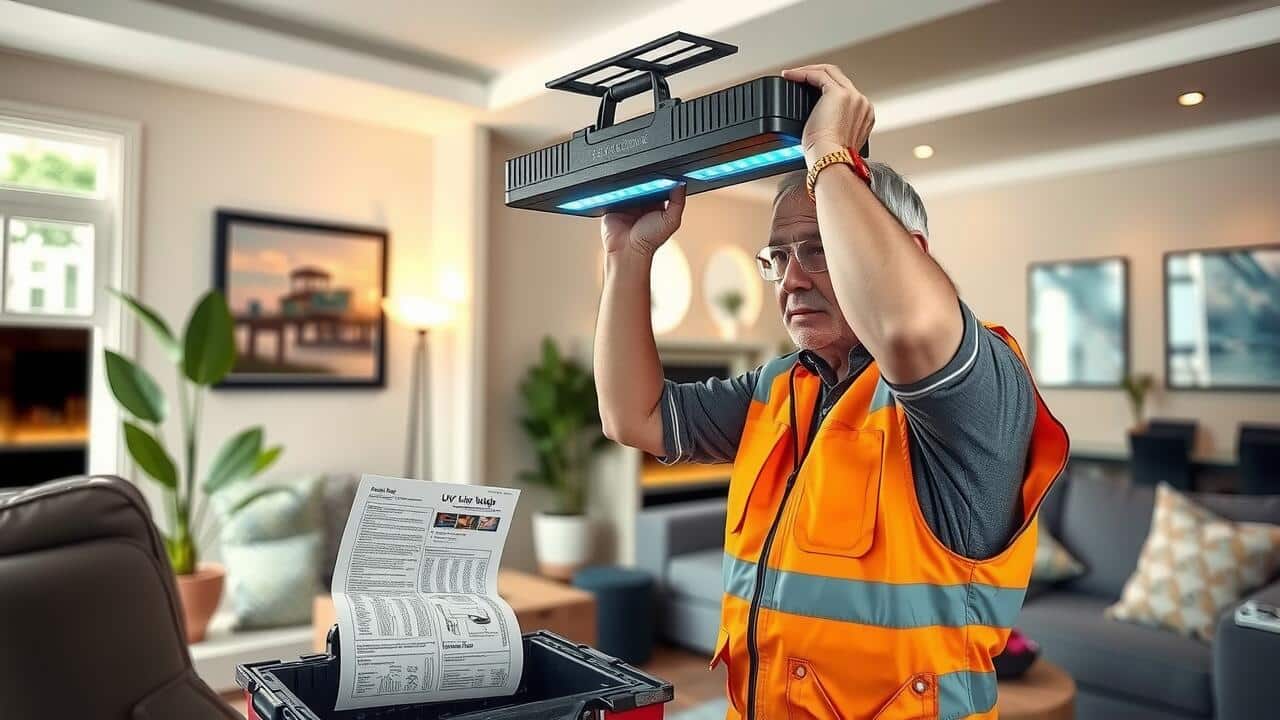
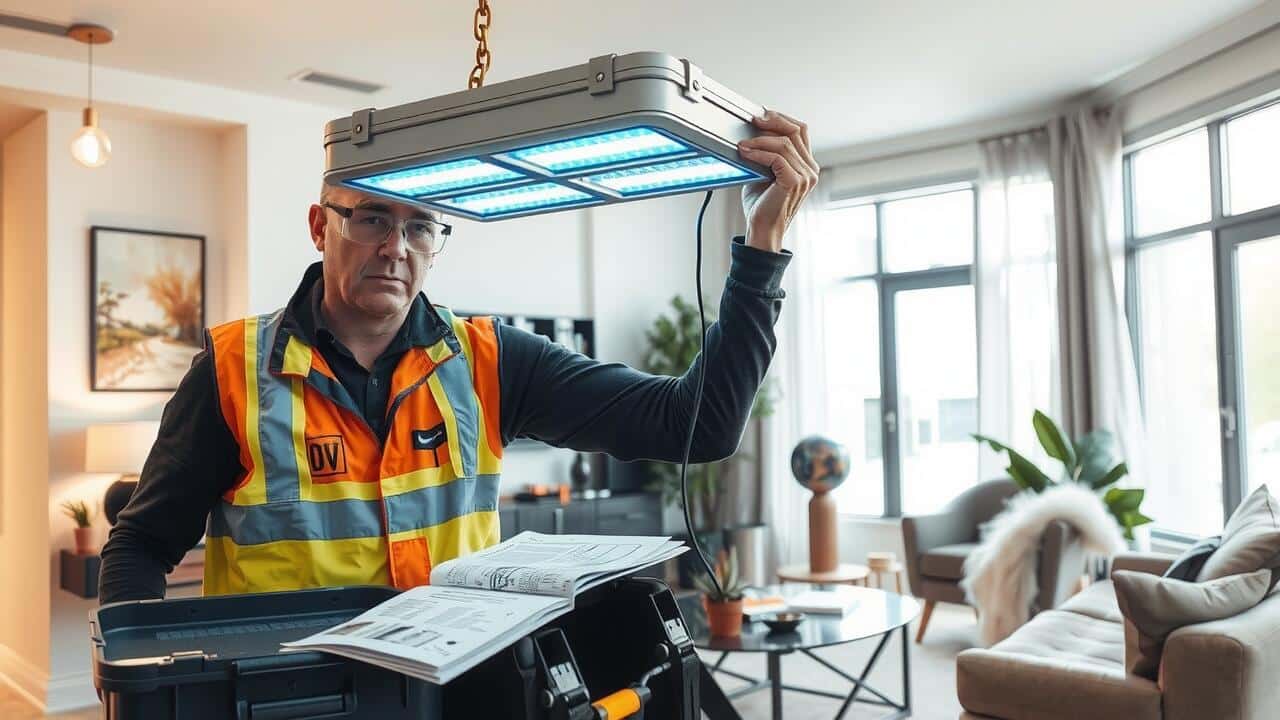
Regular maintenance expenses are an essential factor to consider when investing in a UV light system. After the initial UV light installation, ongoing costs often arise from replacing bulbs and other components periodically. Most UV systems require bulb replacements every 12 to 18 months, depending on usage and the manufacturer’s recommendations. Neglecting this maintenance can lead to reduced effectiveness in disinfection and higher energy costs.
In addition to bulb replacements, routine inspections and cleaning may be necessary to maintain optimal performance. Filters and other parts may also need attention throughout the life of the system. Homeowners should factor in these recurring expenses when budgeting for a UV light installation, as they contribute to the overall cost of system ownership. Maintaining the system properly ensures efficiency and longevity, ultimately enhancing the value of the initial investment.
Regular Upkeep and Replacement Parts
Regular upkeep of UV light systems is essential for maintaining efficiency and effectiveness. Routine inspections should be conducted to ensure that all components are functioning properly. As part of this upkeep, bulb replacement is necessary at regular intervals, typically every 12 months, depending on the system’s specifications. Proper cleaning of the UV lamp and surrounding elements can also enhance performance and prolong the life of the unit.
Replacement parts may also be required over time, especially if the system is subjected to heavy use or adverse environmental conditions. Components such as quartz sleeves and ballasts may wear out and need replacement to ensure optimal operation. Investing in high-quality UV light installation can reduce the frequency of these replacements and extend the overall lifespan of the system, ultimately saving on costs in the long run. Regular maintenance checks can help identify potential issues early, allowing for timely replacements before they escalate into more costly repairs.
Additional Features
When considering the cost of a UV light system, additional features can significantly affect the overall price. Systems equipped with smart technology and automation capabilities stand out for their convenience and efficiency. These advanced models often come with the ability to monitor performance and alert users through smartphone applications. Such features provide real-time data on the system’s effectiveness and adherence to maintenance schedules, making the UV light installation process more manageable.
Another valuable addition is the integration of enhanced filtration systems. These systems work in conjunction with UV lights to provide an extra layer of protection against contaminants. While the initial investment for these features may be higher, many homeowners find the added peace of mind worth the cost. Ultimately, customizing a UV light installation with these enhanced features can lead to improved air quality and greater system longevity.
Smart Technology and Automation
Smart technology has transformed the way UV light systems operate, providing enhanced user control and convenience. Many modern systems offer features such as remote monitoring and programming through mobile applications. This allows homeowners to manage settings and schedules from their smartphones or tablets, ensuring optimal performance without the need for manual adjustments. Enhanced automation can also integrate with existing home automation systems, creating a seamless experience for users.
Automation in UV light systems also contributes to proactive maintenance, alerting users to potential issues before they become significant problems. For instance, some systems can notify homeowners when it’s time for UV Light Installation or inform them about the status of the bulbs, maximizing efficiency. These smart features not only add convenience, they can also lead to better overall effectiveness in air and water purification, ensuring that the systems operate at peak capacity.
Energy Efficiency Considerations
Energy efficiency is a crucial aspect to consider when evaluating the overall cost of a UV light system. Many UV light installations come equipped with energy-efficient components that not only reduce energy consumption but also lower operational costs over time. Systems designed with high-efficiency ratings can minimize electricity usage while still maintaining optimal performance levels, making them a worthwhile investment for anyone seeking enhanced air quality without inflating energy bills.
Moreover, energy-efficient UV light installations can lead to significant long-term savings. By effectively reducing the workload on HVAC systems, these installations can contribute to lower maintenance costs and prolong the lifespan of the unit. Homeowners and businesses that prioritize energy efficiency often find that the upfront investment in a higher-quality UV system pays off through reduced utility bills, creating a more sustainable and economically beneficial environment.
Long-Term Savings on Energy Bills
Investing in a UV light system can lead to significant long-term savings on energy bills. The technology efficiently reduces the workload on HVAC systems by improving air quality and minimizing the accumulation of pollutants. As a result, heating and cooling systems do not need to work as hard, translating to lower energy consumption over time.
Moreover, UV light installation often enhances the lifespan of these systems. Cleaner air means fewer particles in the ducts, reducing wear and tear. This longevity contributes to overall savings by delaying replacement costs and minimizing the need for repairs, ultimately making the initial investment more economical in the long run.
FAQS
What is the average cost of a UV light system?
The average cost of a UV light system can vary widely depending on the size and type of the system, ranging from approximately $100 for a small unit to several thousand dollars for larger, more advanced systems.
What are the maintenance expenses associated with UV light systems?
Maintenance expenses typically include regular upkeep, such as replacing UV bulbs and cleaning the system, which can range from $50 to $300 annually depending on the system’s complexity and usage.
Do UV light systems have additional features that increase their cost?
Yes, additional features such as smart technology and automation can increase the cost of UV light systems, with prices varying based on the level of technology included.
How do energy efficiency considerations affect the cost of a UV light system?
While more energy-efficient UV light systems may have a higher upfront cost, they can lead to long-term savings on energy bills, ultimately offsetting the initial investment.
Are there any hidden costs when purchasing a UV light system?
Potential hidden costs can include installation fees, ongoing maintenance, and the cost of replacement parts, which should all be factored into the overall budget for a UV light system.